Coaching vs Mentoring
✅ I’m mentoring at my workplace. I thought that this would be a good way of giving back to the company and IT community.
Mentoring is extra work, but I think its worth it. You build a good relationship with your mentee, and can help him / her.
It’s a 6 months commitment where you meet with your mentee ~ 6 times. Ideally twice in the first month, then once / month after that.
Preparation for mentee
My mentee had a few things to prepare:
- ✅ Watch video and learn about Objective and Key Results (OKRs) = Apr 2018: OKRs - what, how & why by John Doerr, 12m = great explanation of OKRs, really motivational, the most important thing is Why?
- ✅ Watch video about goal setting = Goal setting & how to achieve your goals, 4m
- ✅ Read about difference between coaching vs mentoring
Coaching vs Mentoring
Its good to know about these differences, as you could be coaching instead of mentoring.
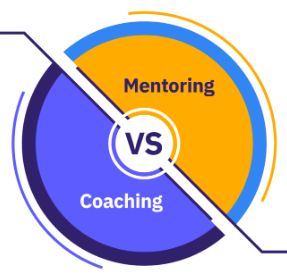
Together: Coaching vs Mentoring: what’s the difference by Together
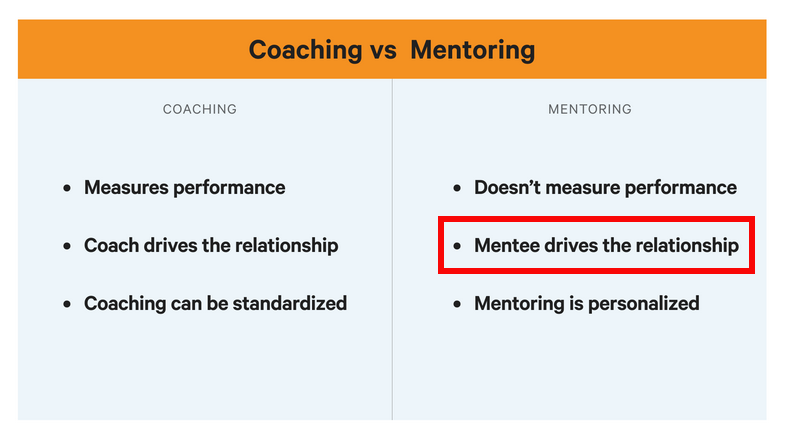
Coaching focuses on performance improvement through structured, short-term processes aimed at enhancing specific skills and achieving measurable goals.
While mentoring emphasizes long-term personal and professional growth through informal guidance.
What is a coach?
✅ Coaches care about an individual’s performance in specific activities (think soccer coach). Coaches watch you practice specific skills and then identify areas to improve.
You’ll incorporate their feedback, practice again, and repeat the process.
What is mentoring?
✅ Mentoring involves a nurturing relationship where a more experienced individual, known as the mentor, provides guidance, advice, and support to a less experienced individual, known as the mentee.
A mentor is more concerned with their mentee’s holistic improvement rather than specific skills that can be learned through practice.
Coach Carter, for example, cared about his players and wanted to help them become mature and confident adults as well as great players. He was a role model for them as a mentor should be. Coach Carter wikipedia
For that reason, a mentor is usually in a more senior position that the mentee wants to grow into. So the mentor’s experience is invaluable to the mentee
Objectives and Key Results (OKRs)
Objectives and Key Results is a goal-setting framework that aligns teams around measurable objectives and outcomes.
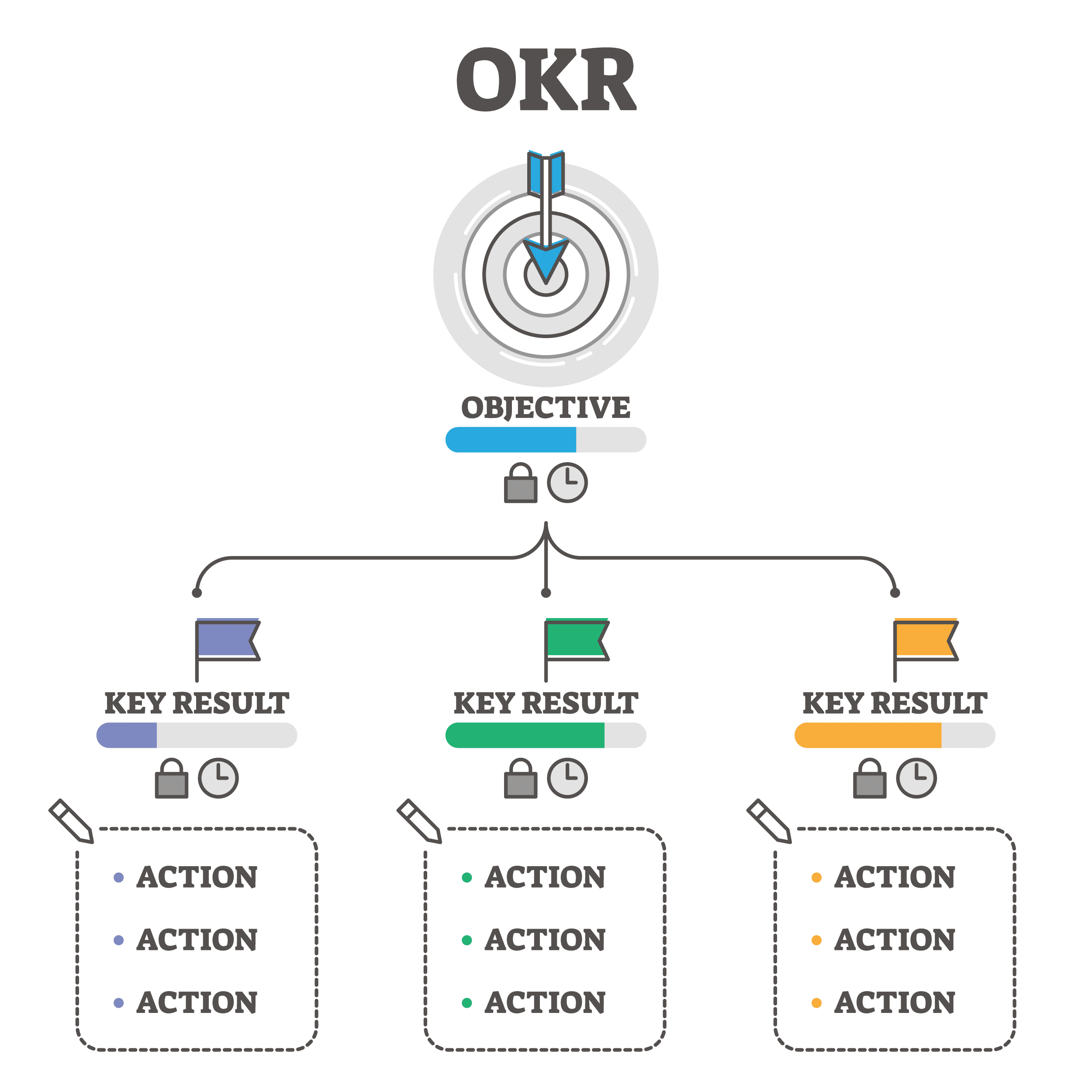
✅ I think OKRs are an improvement to SMART goals as it helps you focus on the Key Result.
S = Specific
M = Measurable
A = Attainable
R = Relevant
T = Timebound
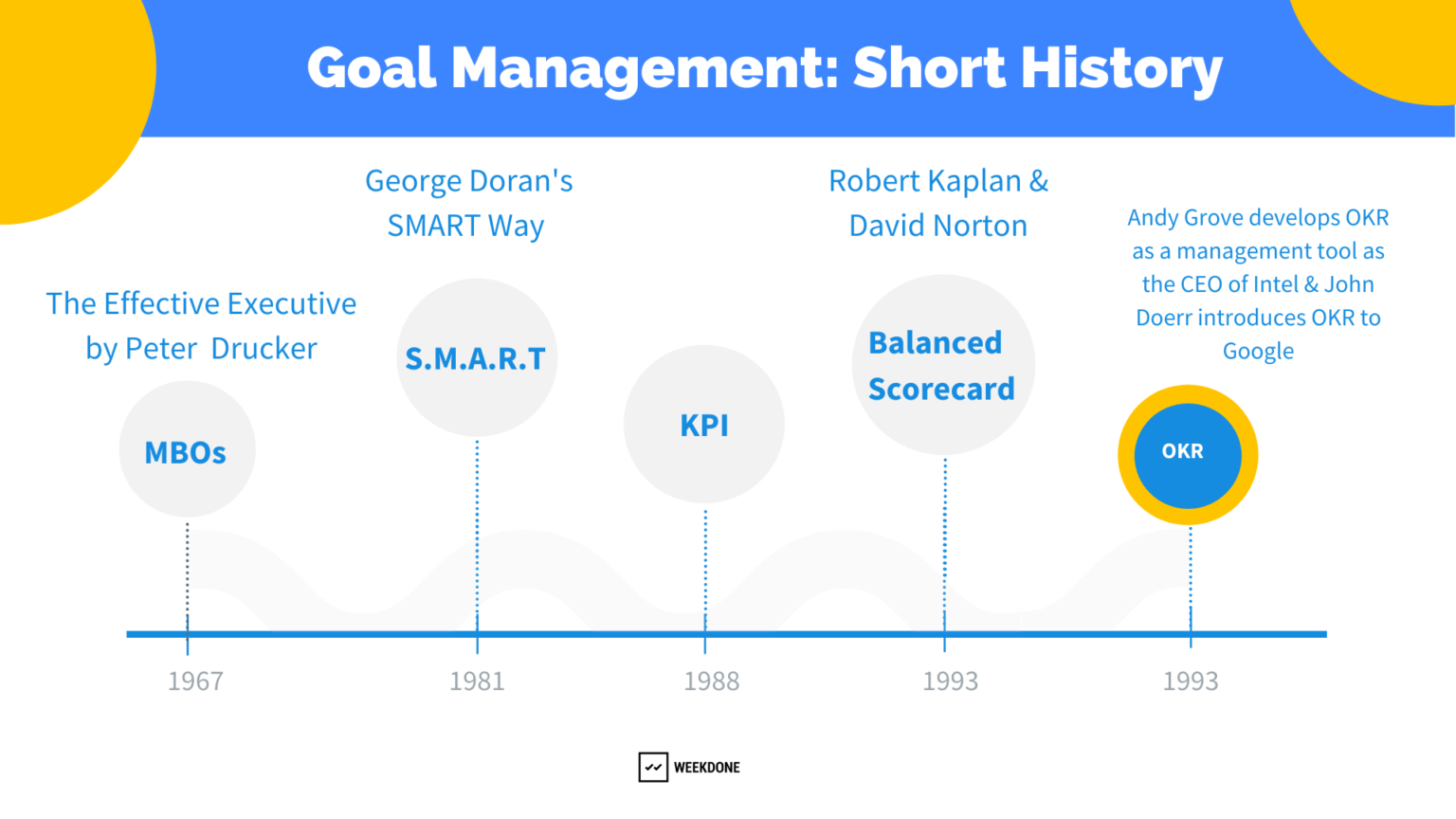
At work, we use a quarterly cycle to track OKRs and how successful we were to accomplishing them
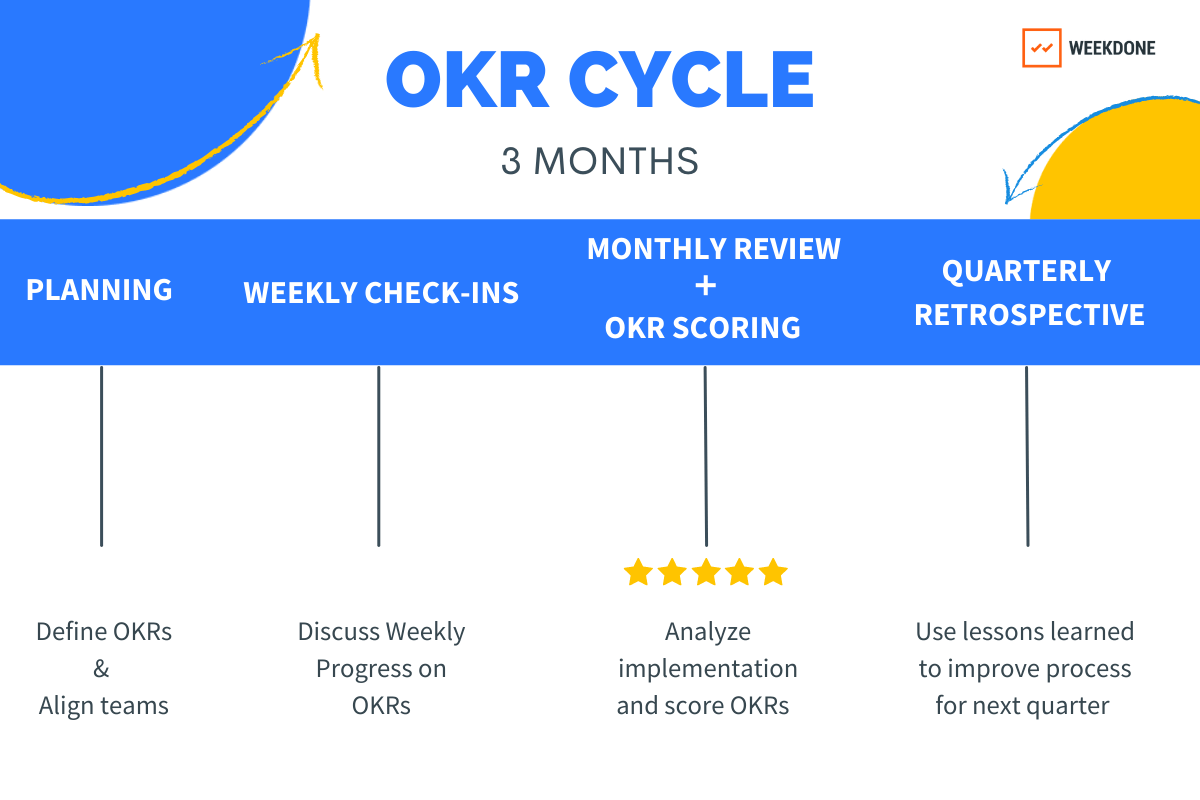
OKR definition, history and how to use OKRs
Notion OKRs - how i set and achieve my biggest, most ambitious goals
Atlassian - OKRs: the ultimate guide to objectives and key results
Wikipedia OKRs
Example OKRs
ORK Examples - how to write Objectives and Key Results
Allbirds apparel company
Objective = design shoes with the lowest carbon footprint in their industry
KR1: Ensure that their supply chain and shipping infrastructure are 100% zero waste.
KR2: Pay 100% of the carbon offset for calculated carbon dioxide emissions.
KR3: Make 25% of materials compostable.
KR4: Make 75% of materials biodegradable.
An Example company
Objective 1 = win customer preference for company
KR1: Demonstrate preferred partner status, growing partner Total Transaction Value (TTV) by 10% Year On Year (YoY)
KR2: Increase Net Promoter Score (NPS) from +20 to +30
KR3: Reduce customer churn from 20% to 15%
KR4: Use Artificial Intelligence (AI) to improve business processes, reducing paper processes by 30%
Key Performance Indicator (KPI)
New Business = $500M
Objective 2 = increase growth beyond core business
KR1: Incease profit by 30%
KR2: Grow market share, measured by increasing TTV by 10% YoY
KR3: sign 3 new large accounts projected to deliver >$50M annualised TTV within 12 months of signing
KR4: Drive $100M in combined TTV from customers in newly targeted verticals
KPI
Sales increase = 20%
Sales revenue $300M
Objective 3 = lay foundations for future
KR1: Improve career growth for employees, having 95% adoption of career development plans.
KR2: Build confidence in use of AI in day to day work. Goal: 90% of team use AI tools on weekly basis
KR3: Transition 80% of applications to the cloud, maintaining uptime & security
KR4: Unlock self-service access to internal systems with 25% improvement in internal user satisfaction
Personal goal example
Objective is to run a 10K race in under 50 minutes. And to do it within the next three months
KR1: Go for a run for at least 30 minutes, three times per week.
KR2: Increase the distance of the run by one mile each week.
KR3: Increase speed by five seconds per mile each week, with a goal of a sub-eight-minute mile.